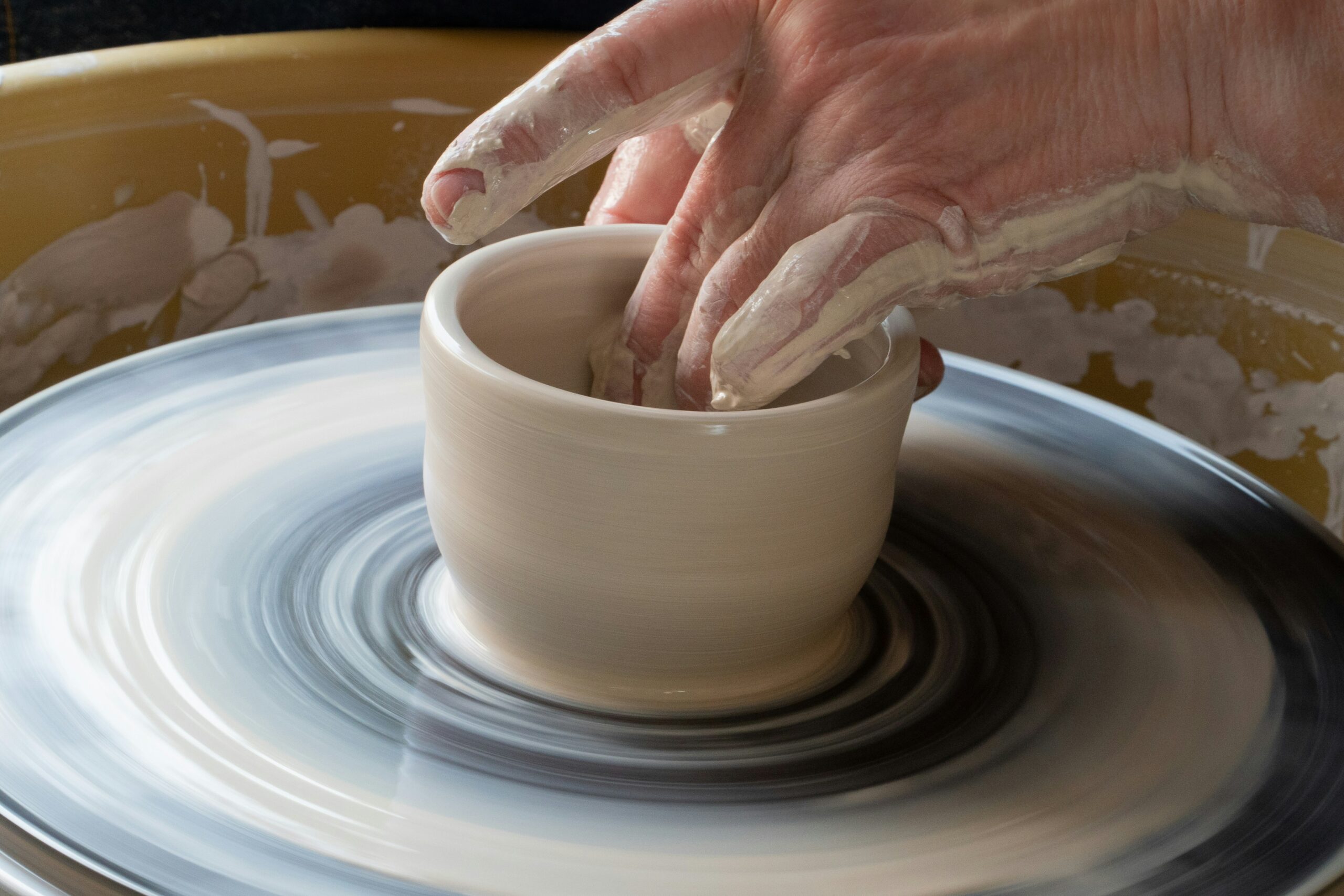
Ah, practice. When I was in the corporate world, practice consisted of dry runs of presentations or role-playing when I was a sales representative, or leading that type of practice for our sales force.
When I was a teen, practice was nearly my entire world outside of academics, with constant practice in athletics.
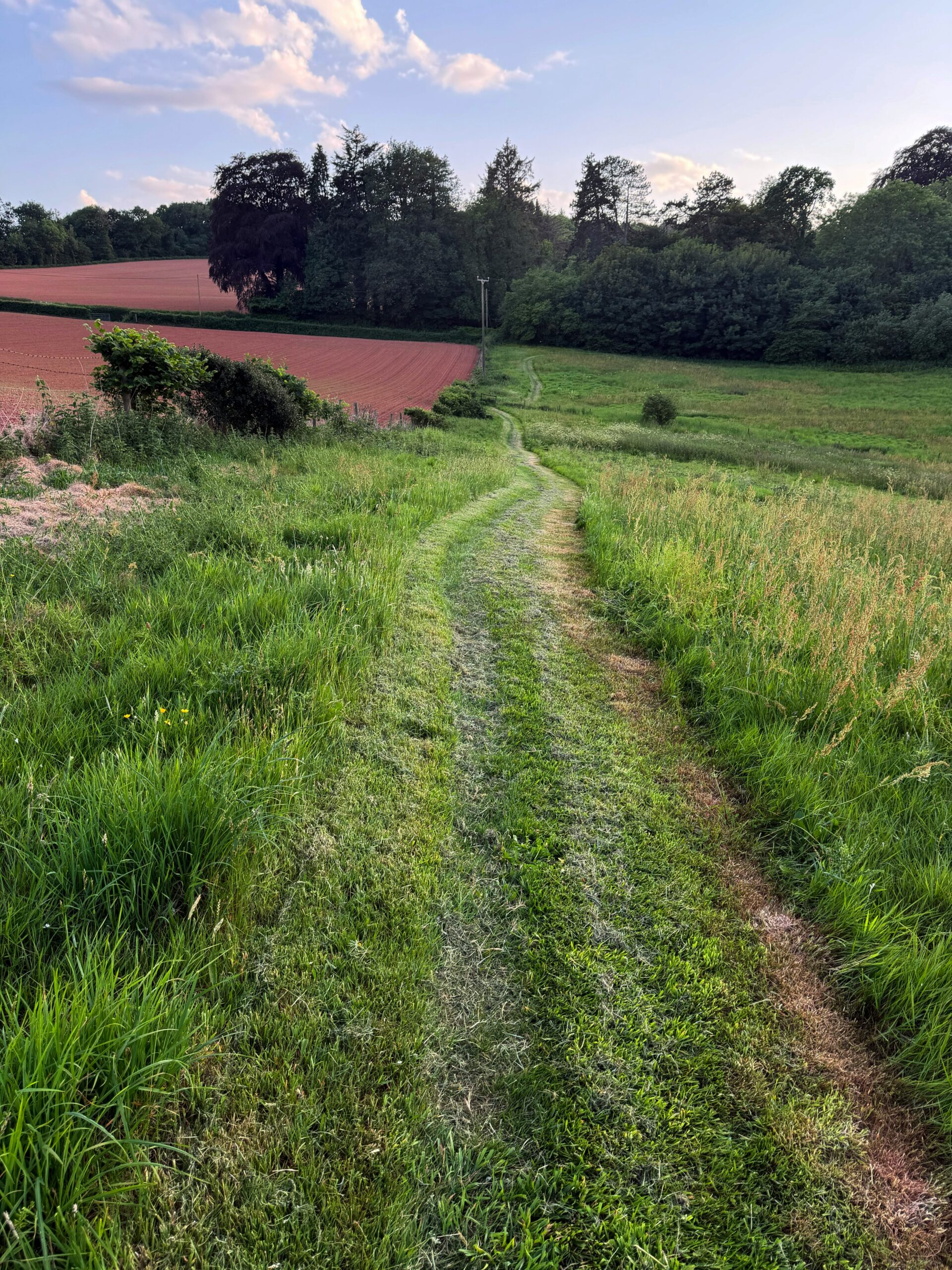
Yet, even outside of structured environments like work, school, or athletics, we are practicing all the time. We are creating the roads that we travel every time we do something, react to something, or say something. Those “roads” are like what you see when you go off-roading: the tires create ruts in the grass, and eventually those ruts become the path you naturally follow. The same thing can happen in our minds. What we repeatedly do creates those little ruts.
We tend to think practice is something we choose to do. But every repeated behavior is a form of practice.
How does this show up in life? Every time we get bored or there’s a quiet moment and we reach for our phone, we are practicing distraction. Every time we get upset in traffic, we are practicing impatience.
Conversely, every time we pause when someone irritates us, we practice restraint. When we have a moment of stillness and instead just sit quietly, we practice mindfulness. When we are there for someone in their pain, we practice compassion.
As Will Durant wrote in The Story of Philosophy while discussing Aristotle’s ideas on virtue and habituation, “We are what we repeatedly do.”
When I began developing as a medium, I thought I was practicing mediumship. And of course I was. But over time, I realized I was practicing other things too: intense listening, with all my senses heightened, but also patience, trust, humility, and perhaps most importantly, becoming more comfortable with not knowing.
The same is true of my work as a hospice volunteer. There’s nothing to achieve. The practice is simply being present.
What are you practicing becoming?
Every moment, even when we are not cognizant of it, we are practicing something. Those “ruts” or “roadways” I described earlier are either being reinforced or new pathways are being created.
The goal is to become more aware of what we are practicing because so much of life is practice, whether we realize it or not. I like to say that the Super Bowl is being played every day. Denis Waitley, whom I looked up to as a motivational speaker and whose The Psychology of Winning I have read many times over the years, made a similar point: every day is our Super Bowl.
We can practice, but ultimately, we’re also playing the big game every day—in how we show up for others and for ourselves, even when no one is watching. The habits we practice become part of how we play.
Let’s make our practices count.