
How to Support Someone Through Grief Without Saying the Wrong Thing
Consoling the grieving is a delicate balance. We want to help—but often don’t know how to support someone through grief. Words can feel empty. Silence can feel insufficient.
There’s a quieter way of showing up—one that matters more than anything we say.
In my work as a medium, a hospice volunteer, and delivering meals to seniors, I’ve seen this again and again. When someone is grieving, what they need most isn’t explanation—it’s presence.
We can choose a wiser path—one that helps us prepare for loss, listen with presence, and temper our emotions.
Embrace Mortality
To lessen grief’s sting, ancient philosophies like Stoicism—and even traditions like Tibetan Buddhism—encourage us to face death openly, something Western culture often avoids. The Stoics practiced anticipating loss not to dwell in sorrow, but to soften its eventual blow.
Seneca reminds us, “We are all dying daily.” Life’s fragility is never far from us—seen in sudden loss, unexpected illness, or moments that change everything.
As a Catholic, I carry a skull-adorned rosary as a quiet reminder of this truth. Not to become morbid—but to stay aware. To cherish what is here while it’s here.
When we accept how fragile life is, we don’t become colder—we become more present. And that presence becomes essential when grief enters the room.
Listen with Presence
Deep grief doesn’t need perfect words—it needs attention.
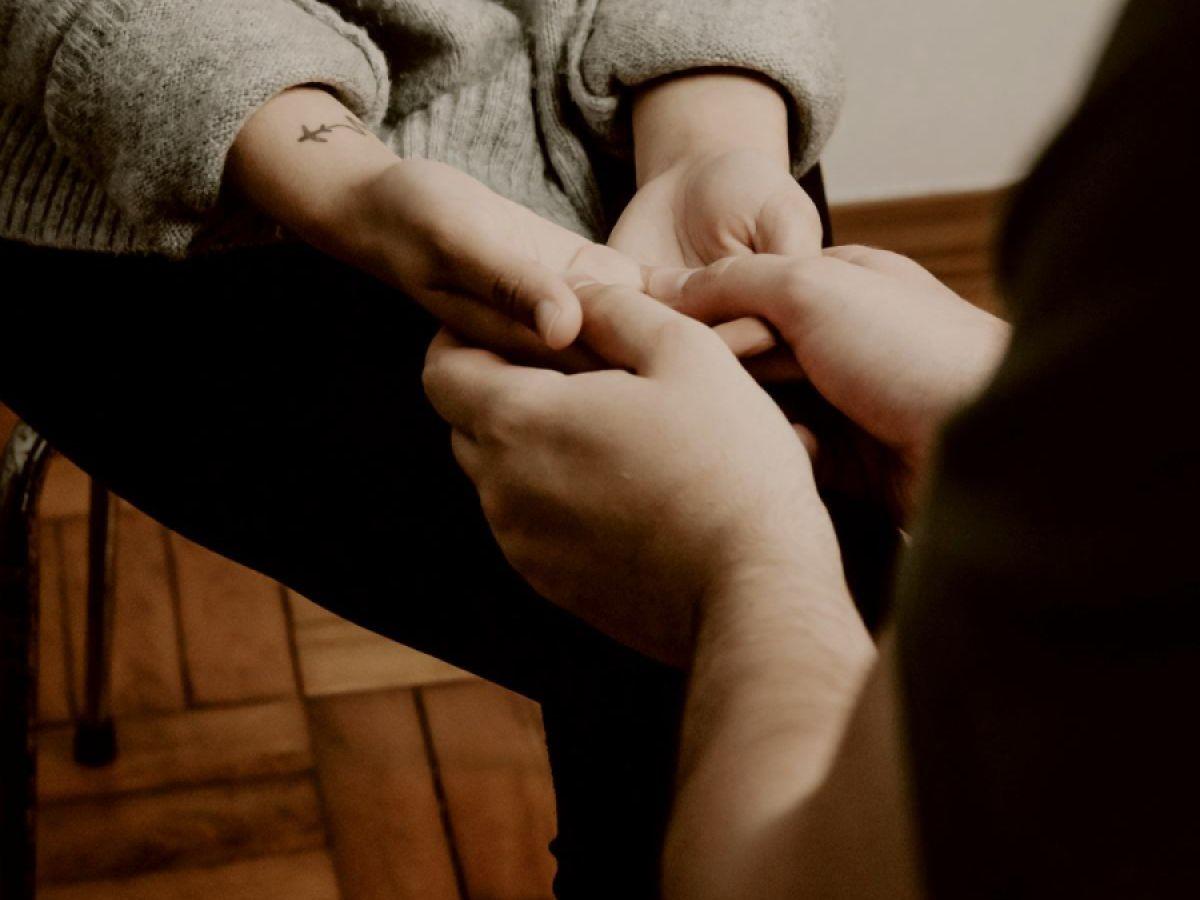
When I sit with someone in grief, I don’t try to fix anything. I’ve learned not to search for the right words. Simply sitting works—being present, steady, and available. In those moments, I try to become an anchor.
I’ve tried to follow that example. A hug or a silent ear often does more than anything we can say. When we pause, listen, and allow someone to express their pain without interruption, something shifts.
This kind of presence creates connection—healing through shared humanity.
Stay Grounded in the Presence of Grief
There’s another side to this balance. While we want to be present, we also need to remain grounded.
When I’ve done mediumship readings for those in grief, I’ve learned not to get pulled into the emotion. If I do, the connection begins to fade and the reading starts to erode.
The same is true in everyday life. If we become overwhelmed by another person’s grief, we lose the ability to support them. Two people drowning can’t help each other.
We can acknowledge their pain without absorbing it. We can stay compassionate without losing our footing.
Sometimes that looks like saying very little. Other times it’s gently reminding them:
“I know this hurts… but we can honor them by how we live.”
Grief lingers like a scar. But how we meet it matters.
We can’t remove another person’s pain—but we can stand beside them in it.
And in doing so, we honor those we’ve lost not just in memory, but in how we choose to live.